AI is advancing at remarkable speed. It is now part of our daily lives whether we welcome it or not.
Like any powerful tool, it carries both shadow and light.
The shadow is not simply technological. It is ethical. The real risk is not machines becoming conscious, but humans becoming less so. When convenience replaces contemplation and automation replaces imagination, we drift away from our innate creative intelligence.
We are far more capable than we have been led to believe. If technology is ever used to override autonomy or diminish free will, it is not progress. It is regression.
Yet there is also light.
AI is supporting medical breakthroughs, accelerating research, and helping people regain independence after life-changing injury. It can analyse complex patterns and synthesise information in ways that would take humans years.
AI does not possess intuition, empathy or consciousness. It can model language around these qualities, but it does not embody them. That distinction matters.
Technology itself is neutral. The consciousness behind its use is what shapes its impact.
Choosing to Engage Consciously
I was initially sceptical of AI, focusing on its darker potential.
Through the Hay House Writers community, I began exploring how it could support creativity rather than replace it. I started using ChatGPT for research. Gradually, it has become a tool for clarity and momentum.
For my novels in the Gaea Remembered series, AI has helped map historical timelines, check authenticity, organise character lists, and refine structure. As someone with dyslexic tendencies, I’ve also found it invaluable for catching spelling and contextual errors traditional software misses.
I’m finding it is teaching me way more than I thought it ever would. Not only from a research point of view, but also explaining why and how something is better one way than another.
The story, the voice and the emotional depth are entirely mine. AI cannot access lived experience, intuition or spiritual insight. It can support structure. It cannot replace soul.
With its support, I have written 100,000 words in just over two months. Not because it wrote for me, but because it speeded up the research, reduced friction and saved time in many small ways, giving me more time to write and spend doing things I love like being out in nature.
Creativity, Not Replacement
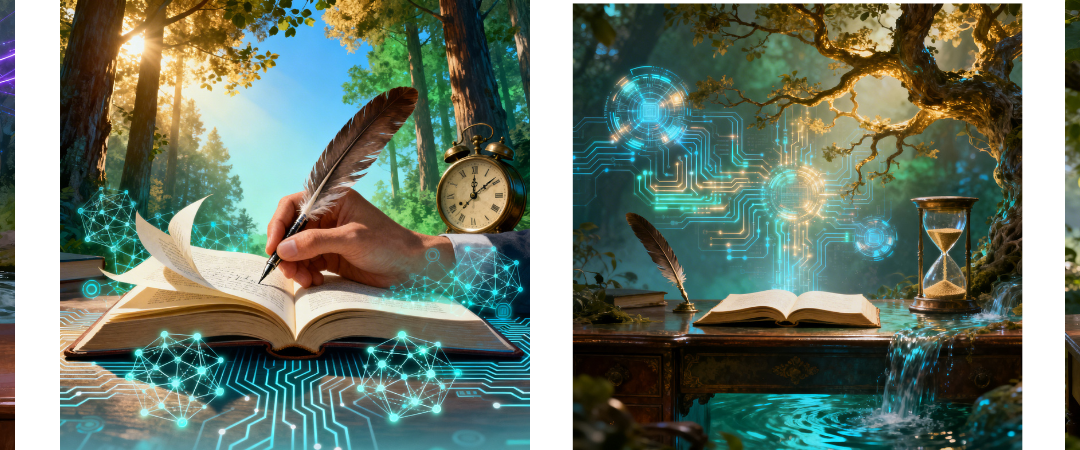
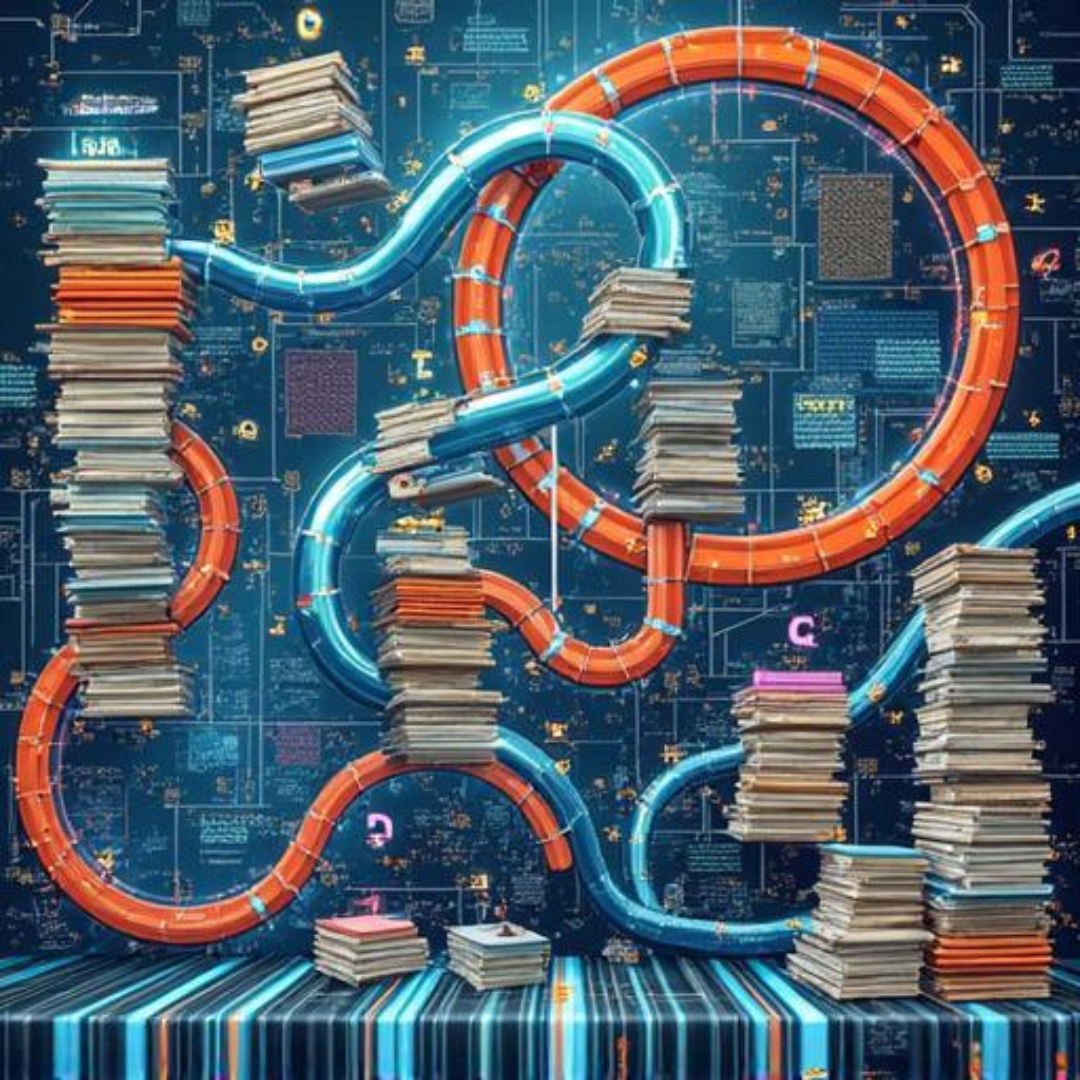
I have also experimented with AI-generated imagery for book covers, portraits and images like found in this musing.
I can now translate the images in my imagination into form without being limited by my poor drawing ability. The intention remains human. The direction remains conscious.
That distinction feels important.
Sovereignty in a Digital Age
AI is here whether we like it or not.
The question is not whether we use it, but how we use it.
Do we remain sovereign thinkers?
Do we strengthen discernment?
Do we continue to nurture empathy, creativity and spiritual awareness?
For me, AI is a tool in the toolbox. It supports but does not lead.
If anything, it has highlighted how deeply human qualities matter. Intuition. Compassion. Moral discernment. Imagination.
Technology evolves. Our consciousness must evolve with it.
The future of AI is not only technological. It is ethical. It is spiritual.
And it depends on how awake we choose to remain.
Recent Comments